
The healthcare system is currently experiencing a major critical moment. The healthcare system faces increasing challenges because chronic diseases are growing at an unmatched pace. Doctors experience higher levels of burnout while patients prefer to receive preventive treatments that address the underlying causes of their conditions instead of receiving only treatments that mask their symptoms. The field of healthcare requires professionals to obtain Lifestyle Medicine certification because it has become a fundamental requirement for their job development.
The science-based framework of Lifestyle Medicine enables healthcare professionals, including physicians, nurses, physiotherapists, dietitians, pharmacists, psychologists, and public health experts, to identify the underlying causes of contemporary diseases which result in better patient outcomes and career satisfaction and sustainable healthcare delivery.
The Global Healthcare Burden Has Changed
Today healthcare systems treat chronic non-communicable diseases (NCDs) as their primary health challenge while acute infections have become less important. The majority of global healthcare costs and health outcomes from diseases stem from cardiovascular disease, type 2 diabetes, obesity, hypertension, fatty liver disease, cancer, depression and chronic respiratory disease.
The results of recent global health studies show that more than 70% of worldwide deaths now occur because of chronic diseases which people can prevent through their dietary choices and physical activity levels and sleep habits and tobacco use and alcohol consumption and chronic stress management and social relationships.
Healthcare systems have made significant progress in drug development and surgical techniques and diagnostic methods. Medical professionals now face a serious problem because most patients receive treatment after they develop diseases instead of doctors helping them avoid or treat their fundamental health issues.
Lifestyle Medicine creates life-changing results through its implementation.
What Is Lifestyle Medicine?
The American College of Lifestyle Medicine defines Lifestyle Medicine as an evidence-based practice which helps people develop and maintain healthy habits that protect them from chronic diseases and assist in their existing disease treatment and potential recovery.
The six core pillars of Lifestyle Medicine include:
- Whole-food, predominantly plant-based nutrition
- Regular physical activity
- Restorative sleep
- Stress management
- Positive social connections
- Avoidance of risky substances
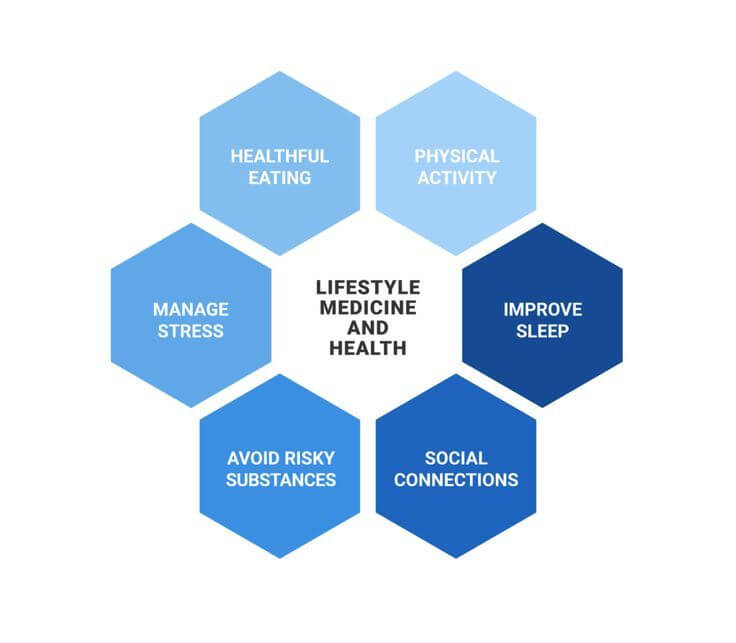
The medical approach of Lifestyle Medicine uses prearranged therapeutic methods which have scientific backing to treat patients at medical facilities. The system combines behavioral science with preventive medicine and motivational interviewing techniques to support ongoing patient care in standard medical practices.
Why Lifestyle Medicine Certification Matters
Healthcare professionals already know that lifestyle factors affect disease development. However, understanding is different from clinical competency.
Certification provides formal training in:
- Evidence-based lifestyle interventions
- Behavior change counseling
- Exercise prescription
- Nutrition science
- Sleep optimization
- Stress physiology
- Motivational interviewing
- Habit formation
- Shared decision-making
- Chronic disease reversal protocols
Clinicians encounter challenges in delivering effective patient counseling about lifestyle changes because they lack formal training despite their understanding of its significance. Lifestyle Medicine certification bridges this gap between theory and clinical implementation.
Patients demanding treatment for their underlying health issues.
Patients today demonstrate greater health knowledge and take more active control of their health. Patients with chronic diseases that have treatable risk factors now want more than just medication treatment.
Healthcare professionals trained in Lifestyle Medicine deliver these following services to their clients.
- Provide medical treatment which focuses on identifying the root cause of a patient’s disease.
- Develop customized medical treatment programs which help patients avoid diseases.
- Provide assistance to patients who want to create permanent changes in their lifestyle.
- Provide medical treatment which lasts for extended periods.
- Offer complete wellness coaching services to their clients.
This shift is already reshaping healthcare globally. The preventive and lifestyle-based healthcare model is spreading throughout hospitals and primary care systems and corporate wellness programs and insurance models and digital health platforms.
Healthcare professionals who lack Lifestyle Medicine competencies will fall behind new healthcare standards which will become established in the future.
Clinical results improve through the application of Lifestyle Medicine practices.
The present scientific research validation of Lifestyle Medicine interventions serves as one of the most compelling reasons to obtain certification.
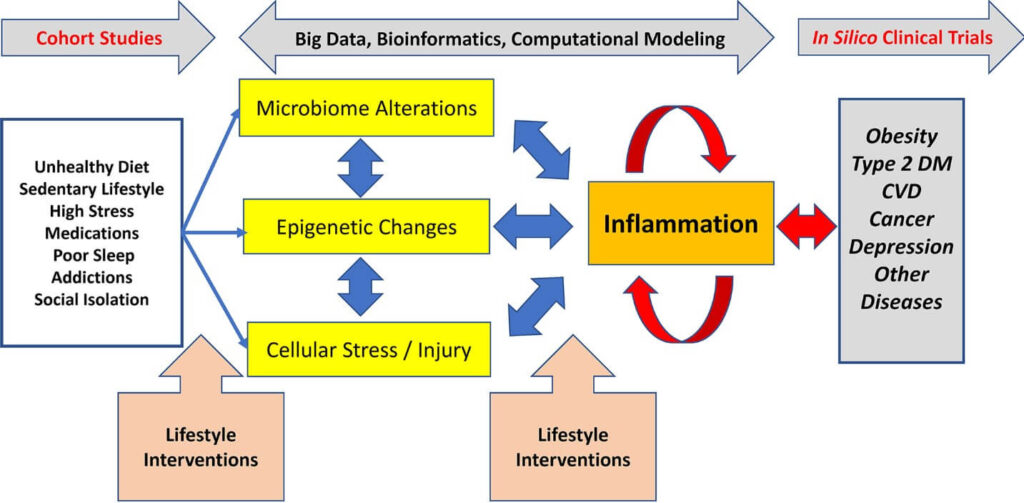
Research demonstrates that evidence-based lifestyle interventions can significantly improve or reverse conditions such as:
- Type 2 diabetes
- Hypertension
- Obesity
- Dyslipidemia
- Metabolic syndrome
- Cardiovascular disease
- Sleep disorders
- Anxiety and depression
The medical field accepts conventional medicine as a foundation which Lifestyle Medicine builds upon through its dual focus of treating disease origins and managing patient symptoms. The training of clinicians in Lifestyle Medicine enables them to deliver better patient care because they can treat patients without using more medication than necessary.
Healthcare Burnout Is Rising — Lifestyle Medicine May Help
The current healthcare system faces increasing burnout rates which can be reduced through implementation of lifestyle medicine. Healthcare workers face extreme pressures which lead to burnout which represents a critical danger for global healthcare systems.
The American Medical Association reports that 41.9% of physicians experienced at least one burnout symptom during 2025 but the number of affected doctors has decreased since earlier years. The research evidence shows that burnout leads to higher chances of developing cardiovascular diseases and mental health disorders while it decreases work satisfaction and increases medical mistakes and staff turnover.
The latest research shows that healthcare workers who practice Lifestyle Medicine experience better job satisfaction and reduced burnout rates. The 2026 research study demonstrated that healthcare workers who used Lifestyle Medicine showed better work satisfaction and professional fulfillment and increased happiness during their medical duties. Clinicians demonstrate that through Lifestyle Medicine, they can achieve their initial medical purpose which involves providing patients with complete healing instead of only controlling their disease symptoms.
Certification Enhances Professional Credibility
Professional certification holds significant value during the current period when people encounter misleading information and they receive unverified wellness recommendations through digital platforms. Through Lifestyle Medicine certification healthcare professionals demonstrate their accomplishment of formal scientific training which meets international standards.
The process improves:
- Patient trust
- Professional credibility
- Career differentiation
- Academic opportunities
- Speaking engagements
- Institutional recognition
- Leadership opportunities in preventive healthcare
Healthcare systems now focus more on preventive measures and value-based care models which will provide certified professionals with substantial career benefits.
All medical specialties find relevant applications of Lifestyle Medicine.
The primary strength of Lifestyle Medicine exists because it applies to all medical specialties. Lifestyle factors influence nearly every major specialty, including:
- Mental health services
- Family medicine
- Internal medicine
- Cardiology
- Endocrinology
- Psychiatry
- Oncology
- Pediatrics
- Obstetrics and gynecology
- Orthopedics
- Rehabilitation medicine
- Public health
- Nursing
The majority of patients who come to specialized medical fields bring health conditions which doctors will see because their lifestyle choices have affected their health. Professionals in all fields of study receive tools through Lifestyle Medicine certification which support their work.
The Future of Healthcare Is Preventive
All healthcare systems throughout the world now shift toward developing healthcare systems which focus on preventative methods and provide patient-centered care through value-based treatment. The economic burden of chronic disease has grown to an unmanageable level. The long-term sustainability of healthcare systems depends on the implementation of preventive measures and behavior change methods not on disease treatment alone.
The Organisation for Economic Co-operation and Development (OECD) has shown that preventive measures and value-based healthcare methods now represent critical elements for achieving sustainable health system operations. Healthcare professionals who receive training in Lifestyle Medicine will become essential to this process.
Why Healthcare Professionals Should Act Now
Healthcare professionals need to take immediate action for their professional responsibilities. Lifestyle Medicine has developed into a global movement which academic institutions and healthcare systems and professional organizations continue to support through research efforts.
Lifestyle Medicine certification offrers healthcare professionals the opportunity to:
- Deliver more meaningful patient care
- Address root causes of chronic disease
- Improve patient outcomes
- Strengthen preventive medicine skills
- Reduce professional burnout
- Future-proof their careers
- Become leaders in modern healthcare
The core purpose of medicine which now exists from ancient times to present day finds its expression through Lifestyle Medicine as a medical practice that helps people live healthier lives by preventing diseases and helping them recover from illness.
Future healthcare professionals will need to learn about several areas which include medication prescription and procedure execution. They will learn to use nutrition, exercise, sleep, stress physiology, behavior change, and human connection as their main therapeutic methods. Patients will now begin to expect this standard.
Healthcare professionals who want to maintain their clinical competence should obtain Lifestyle Medicine certification because it has become the most beneficial certification for contemporary medical practice.