
🧘 Calming the Body's Stress Response
Stress Management
Calm the Mind, Protect the Body: Build Resilience One Breath at a Time
At LifeMedPlus, we often talk about the six pillars of Lifestyle Medicine. Among them, stress management is one of the most underestimated. Every choice you make about food, movement, sleep, and relationships is shaped by how stressed you feel, and how you handle that stress affects every other pillar.
Stress itself is not the enemy. It is a natural response that helps us meet challenges. The problem begins when stress becomes constant, unmanaged, and unnoticed.
⚡ The Hidden Cost of Chronic Stress
When we perceive a threat, the body releases stress hormones such as cortisol and adrenaline. Heart rate rises, blood pressure increases, and energy is redirected for immediate action. This response is protective in short bursts. When it stays switched on for weeks, months, or years, it begins to wear down the body.
Long-term stress is linked to a higher risk of high blood pressure, heart disease, type 2 diabetes, weight gain, weakened immunity, and digestive problems. It also plays a major role in anxiety, depression, and burnout.
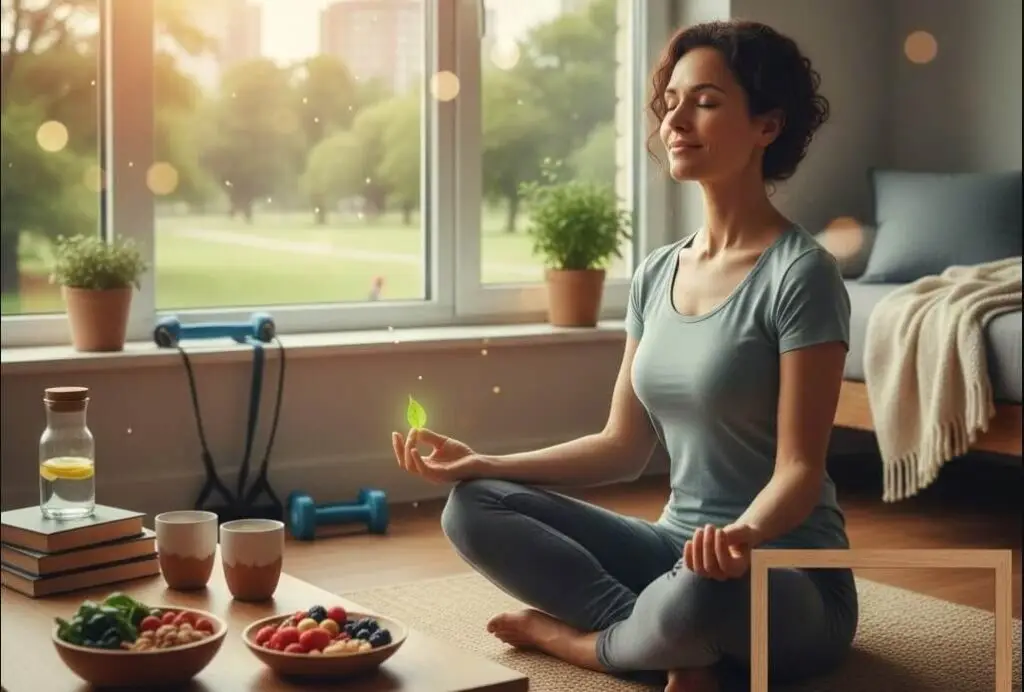
- Cardiovascular Health: Ongoing stress can keep blood pressure elevated and contribute to inflammation within blood vessels.
- Metabolic Health: Chronic stress can disrupt blood sugar regulation and encourage cravings for high-calorie, ultra-processed foods.
- Mental Health: Persistent stress is closely connected with anxiety, low mood, and poor concentration.
Because stress often builds gradually, many people do not notice its effects until their health is already affected. Learning to recognize early signs, such as poor sleep, irritability, muscle tension, or constant fatigue, is the first step toward change.
🌬️ Mindfulness and Meditation: Training the Calm Response
Mindfulness means paying deliberate, non-judgmental attention to the present moment. Meditation is one of the most practical ways to build this skill. Regular practice helps the nervous system move out of constant alert mode and into a state of recovery.
Structured programs such as Mindfulness-Based Stress Reduction (MBSR) have been studied extensively and are associated with lower perceived stress, reduced anxiety symptoms, and better emotional regulation. The benefits are greatest when practice becomes a consistent habit rather than an occasional effort.
You do not need to sit for an hour in silence. Five minutes of focused breathing each day is a valid starting point.
Consistency matters more than duration.
🛠️ Practical Tools for Everyday Stress
Stress management works best when it fits into real life. These simple practices can be woven into a normal day:
- Slow Breathing: Breathe in slowly through the nose for four counts and out through the mouth for six counts. Repeat for two to three minutes to help activate the body's relaxation response.
- Mindful Pauses: Take a short break between tasks to notice your posture, your breath, and any tension in your shoulders or jaw.
- Time in Nature: A walk outdoors, even a short one, can lower perceived stress and improve mood.
- Boundaries and Priorities: Identify commitments that drain you and reduce or delegate them where possible.
- Gratitude Reflection: Each evening, note one thing that went well. This simple habit gradually shifts attention away from threat and toward meaning.
🔗 Stress Does Not Work Alone
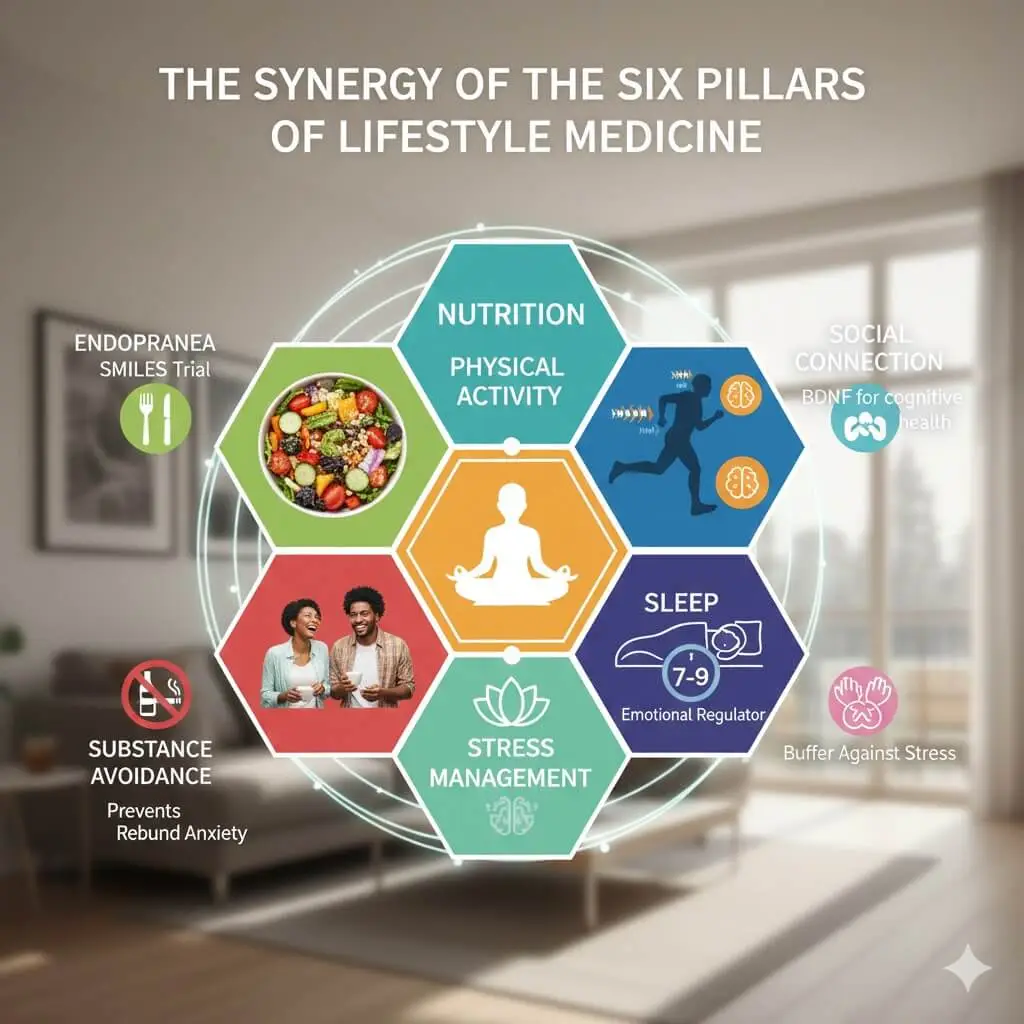
Stress interacts closely with the other pillars of Lifestyle Medicine. Poor sleep increases stress sensitivity, and high stress makes it harder to sleep well. Regular physical activity is one of the most effective natural stress relievers. Nourishing whole-food nutrition supports steady energy and mood. Strong social connections act as a buffer against life's pressures. Improving one pillar often makes the others easier to change.
Unlock the Power of Six Pillars
The foundations of lifelong health, wellness, and longevity.
Learn more about each pillar.
💛 Support That Meets You Where You Are
Many people feel that they should simply relax more, yet stress rarely responds to advice alone. Lifestyle Medicine takes a personalized approach. We look at your work, your responsibilities, your sleep, and your history, then build a realistic plan together.
Our Lifestyle Medicine clinicians offer a non-judgmental space to explore what is driving your stress and which changes feel achievable for you right now.
Are you ready to turn calm into a daily practice?
To build lasting resilience and receive personalized, evidence-based support, explore our full learning resources.
Enroll in our courses to learn more and get:
- Updated Recommendations: Stay current with the latest research on stress, mind-body health, and recovery.
- Start Guide: A simple, step-by-step plan for building a daily stress-management routine.
- Smart Prescriptions: Personalized strategies and coaching that turn general advice into practical steps for your own life.
Do not wait for stress to become a crisis. Join us now!