🛡️ Removing Harm to Prevent Diseases
Avoiding Harmful Substances
Protect Your Body, Free Your Future: Clear the Way to Lasting Health
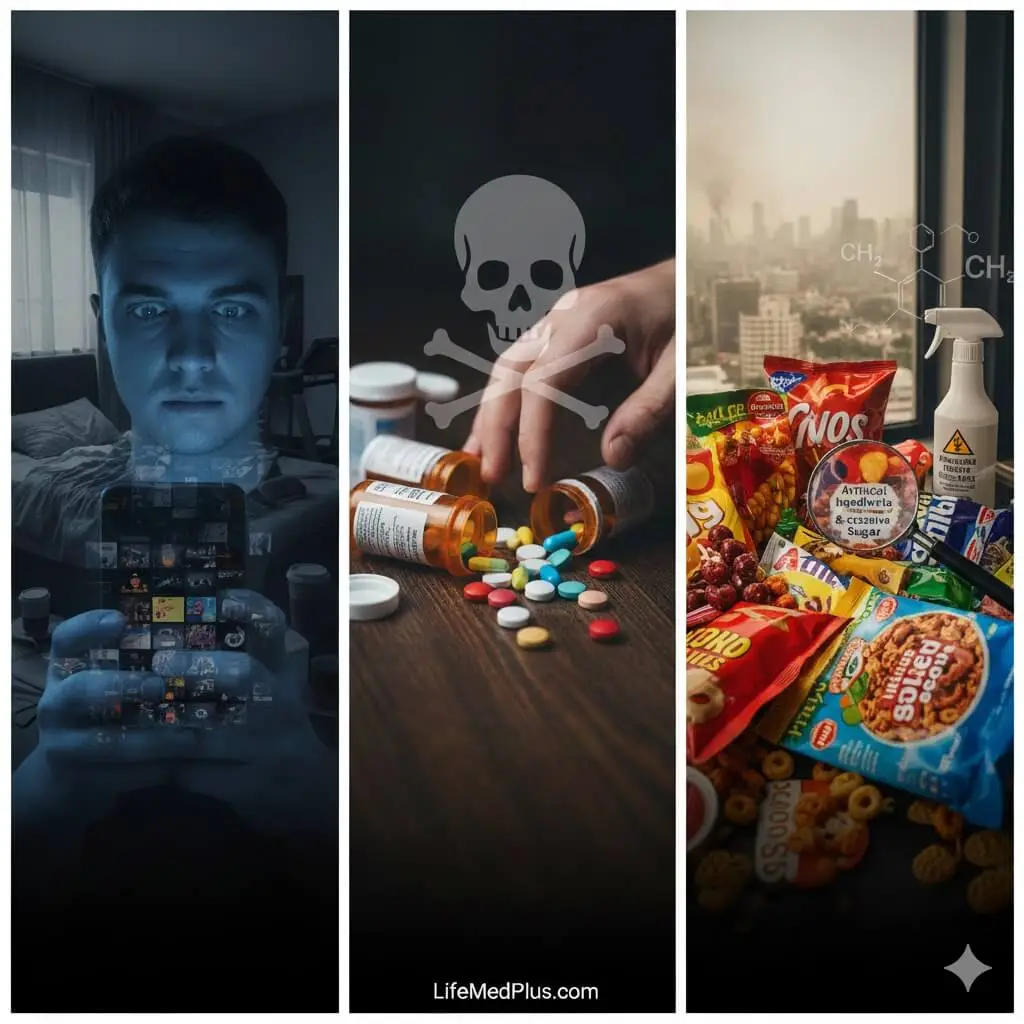
At LifeMedPlus, we regularly discuss the six pillars of Lifestyle Medicine. Avoiding harmful substances is the pillar that often produces the fastest and most measurable health gains. Tobacco, excessive alcohol, and other harmful substances damage nearly every organ system, and they quietly undermine the efforts you make in sleep, nutrition, movement, and stress management.
The goal of avoiding harmful substances is not perfection or shame. It is informed choices, honest conversations, and practical support for reducing or stopping the substances that are doing the most harm.

🚬 Tobacco: The Most Preventable Cause of Death
Smoking remains one of the leading preventable causes of death worldwide. Cigarette smoke contains thousands of chemicals, many of them toxic or carcinogenic, and their effects reach the heart, blood vessels, lungs, and nearly every other organ. For anyone focused on avoiding harmful substances, tobacco is usually the first place to start. The World Health Organization's tobacco fact sheet outlines the global scale of the problem.
- Cardiovascular Health: Smoking damages blood vessels, raises blood pressure, and substantially increases the risk of heart attack and stroke.
- Respiratory Health: Tobacco is the main cause of chronic obstructive pulmonary disease and a major contributor to lung cancer.
- Cancer Risk: Tobacco use is linked to cancers of the lung, mouth, throat, bladder, pancreas, and several other sites.
Smoke-free tobacco products and nicotine vaping are not harmless. Their long-term effects are still being studied, and they should not be treated as a safe replacement. The most protective choice in avoiding harmful substances is to stop using all tobacco and nicotine products.
The body begins to recover soon after the last cigarette. Heart rate and blood pressure begin to fall within minutes, and circulation and lung function improve over the following weeks and months. Quitting at any age brings benefits. The NHS quit smoking guidance offers practical steps for anyone ready to begin.
🍷 Alcohol: Less Is Better for Your Health
Alcohol is a toxic substance and a known cause of several cancers, including breast, liver, colorectal, and mouth cancers. Its health effects are dose-related, which means that the less you drink, the lower the risk. Many people underestimate how much they consume, so tracking intake honestly is a useful first step in avoiding harmful substances. The WHO alcohol fact sheet summarizes the evidence on alcohol and health.
Alcohol can also raise blood pressure, contribute to liver disease, disrupt sleep quality, worsen anxiety and depression, and interfere with weight management. Reducing intake often leads to better sleep, steadier mood, and more energy within weeks.
If you are unsure where you stand, start with a simple question: how many drinks do I have in a typical week, and do I feel in control of that number?
Cutting back, having alcohol-free days, or choosing not to drink in certain situations are all meaningful steps toward avoiding harmful substances in your daily life.
Some people should avoid alcohol entirely, including those who are pregnant or trying to conceive, those taking medications that interact with alcohol, and those who have a personal or family history of alcohol use disorder. If drinking feels hard to control, speak with a healthcare professional. Support is available, and asking for help is a sign of strength.
🛡️ Harm Reduction: Progress Counts
Harm reduction recognizes that change often happens in stages. Reducing the number of cigarettes per day, switching to lower-risk options under medical guidance, or cutting out the most dangerous patterns, such as binge drinking or using substances alone, can all lower the risk of serious harm while a longer-term goal is worked toward. Each step is part of the broader practice of avoiding harmful substances over time.
- Know Your Triggers: Identify the people, places, moods, and routines that lead to substance use, and plan alternatives in advance.
- Change Your Environment: Reduce how easily substances are available at home, and avoid keeping them as a default.
- Replace the Habit: Use a walk, a glass of water, a breathing exercise, or a call to a friend in place of the old routine.
- Seek Support Early: Medical advice, counseling, and peer groups make quitting and cutting back far more achievable.
Some substances carry risks that require specialist care, particularly when withdrawal is involved. Never stop alcohol, sedatives, or other drugs abruptly without medical guidance, as withdrawal can be dangerous. The CDC's tobacco resources also provide evidence-based information for people and clinicians working on substance-related change.
🔗 Substances and the Other Pillars
Substance use is tightly connected to the rest of your health. Alcohol and nicotine disrupt sleep, and poor sleep increases cravings. Many people use substances to manage stress, which makes a calmer toolkit one of the most valuable parts of avoiding harmful substances. Regular physical activity can ease withdrawal symptoms and reduce cravings. Supportive relationships and a nourishing diet give you a stronger foundation for lasting change.
Unlock the Power of Six Pillars
The foundations of lifelong health, wellness, and longevity.
Learn more about each pillar.
💛 Support Without Judgment
Changing substance use is rarely a simple matter of willpower. Lifestyle Medicine looks at the whole person, including your history, your reasons for using, your readiness to change, and the pressures you face. We build a plan around what you can realistically do today, because lasting progress in avoiding harmful substances depends on realistic steps.
Our clinicians offer a respectful, non-judgmental space to talk openly about tobacco, alcohol, and other substances, and to explore the next step that feels right for you.
Are you ready to take the next step toward avoiding harmful substances?
To build lasting change and receive personalized, evidence-based support, explore our full learning resources.
Enroll in our courses to learn more and get:
- Updated Recommendations: Stay current with the latest evidence on tobacco, alcohol, and harm reduction.
- Start Guide: A clear, step-by-step plan for avoiding harmful substances and reducing or stopping risky use.
- Smart Prescriptions: Personalized strategies and coaching that turn general advice into practical steps for your own life.
Every day spent avoiding harmful substances is a gain. Join us now!