
Minimizing Harmful Substances:
The Essential ‘Negative’ Pillar of Lifestyle Medicine
Welcome to LifeMedPlus.com! Lifestyle Medicine is the field that is considered to be the health building and reinforcing metaphor of the doctors. These doctors know how effective these factors can be. The pillars of the physician’s approach to a healthy life are: healthy diet, regular exercising, proper sleep, and good socializing. However, there is an equally significant pillar that deals with the removal of harmful substances and behaviors.
The ‘negative’ aspect gets highlighted with this pill as it talks about suppressing or discarding the bad activities rather than opting for good ones. Still, it is a big deal that these characterizations are not very accurate—the removal of bad habits and reclamation of the body from toxic exposures are still among the most important things to do for one’s health and wellness trajectory in the long run.
The Classic Threats: Tobacco Cessation and Risky Alcohol Use
Smoking and drinking too much alcohol are the two main behavioral risk factors for chronic physical and mental health conditions although everybody knows the health hazards of these two substances.
- Smoking: Smoking is the main cause of preventable deaths globally, killing more than five million people each year, leading to cancer mainly lung, mouth, and throat and drastically weakening the immune and cardiovascular systems.
- Alcohol Misuse: Likewise, heavy drinking is one of the main causes of the liver, cardiovascular, and cancer and it also increases the risk of injury or death.
Statistics highlight the widespread impact:
Tobacco/Smoking and Excessive Alcohol are still the main threats regarding the Lifestyle Medicine pillar of Minimising Harmful Substances.
Smoking still tops the list of preventable deaths worldwide, causing yearly about 5 million deaths through a chain of awful effects, like cancers (lung, throat, mouth), severe heart and blood vessel disease (heart attacks, strokes), and complete destruction of the immunity system, which in turn causes an average 10-year life reduction.
In the same way, alcohol misuse is responsible for 4% of the total global disease burden and is linked to over 60 different medical conditions, ranging from chronic liver diseases and some types of cancers (breast, colon, liver) to high blood pressure and increased risk of injuries.
Statistics reveal that 25% of UK adults consume more alcohol than the recommended medical standards, thus making it harder to tackle the issue of the gap between mere awareness and active change in lifestyle, which is the very core mission of Lifestyle Medicine.
Expanding the Definition of “Harm”
Lifestyle Medicine expands the definition of harm by considering these non-traditional substances and behaviors along with their effects as chronic stressors or toxins on the body and mind.
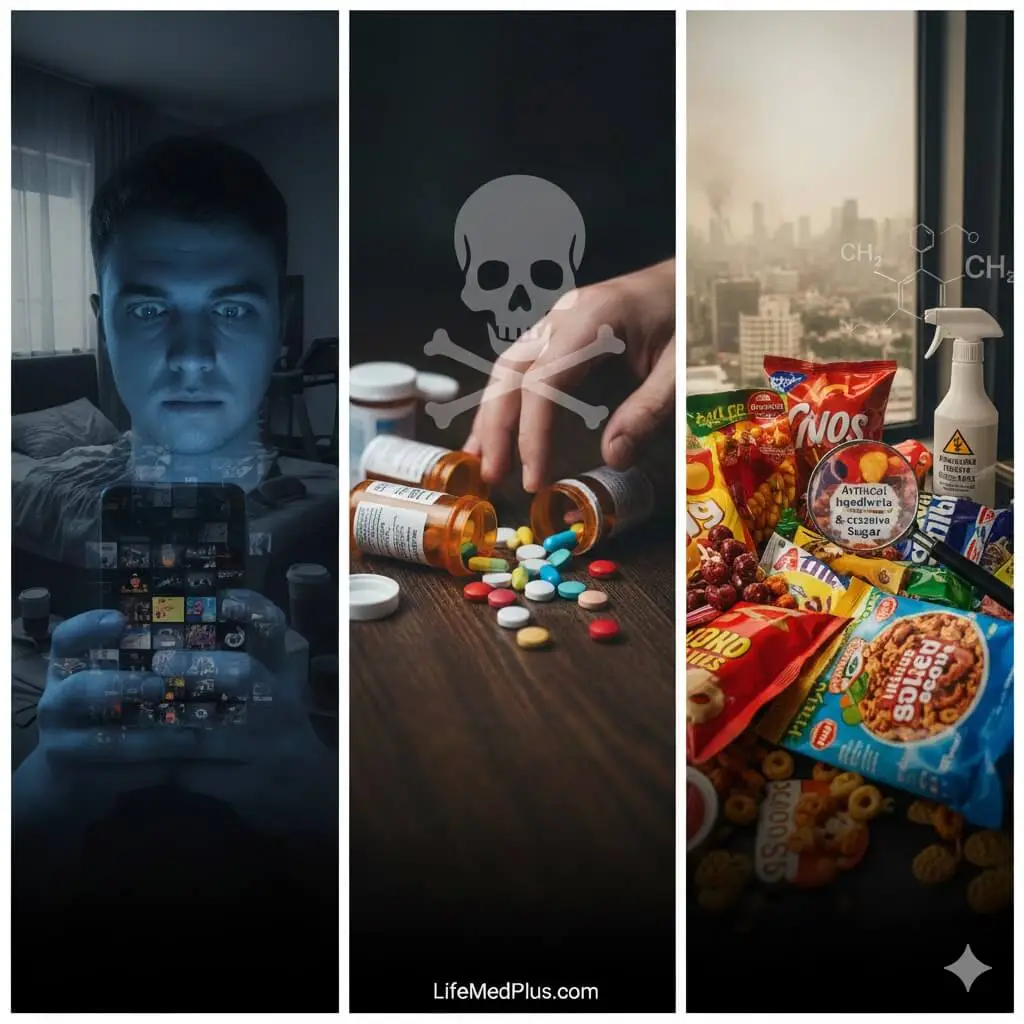
- Behavioral Addictions: The use of the internet, social media, gambling, and gaming to the extent that they deprive a person of sleep and cause mental suffering, as well as replacing such necessary activities as exercising and socializing.
- Medication Misuse: Taking prescription drugs (like opioids, sedatives) in excess or combining them, resulting in profound harm and addiction to the drug.
- Environmental Toxins: Regular contact with pollutants found in processed foods (such as synthetic additives and sugar) or chemical exposure from home/workplace that are harmful.
Unlock the Power of Six Pillars:
A Compassionate Roadmap to Behavior Change
In the case of helping individuals to cut back on or quit altogether the use of harmful products, a very tolerant, non-judgmental approach is necessary which at the same time recognizes the difficulties of behavior change.
Lifestyle Medicine is this robust, evidence-based offer; it uses great tools like motivational interviewing and health coaching.
Fundamental elements of this approach to support are listed below:
- Non-Judgmental Support: Talking to patients in a way that is not blaming or criticizing, assisting them in discovering the underlying causes and obstacles to changing their behavior, for instance, chronic stress or mental health issues.
- Identifying Triggers and Replacements: The most effective way isn’t just to tell someone to ‘stop’; it is to helpthem find new habits or activities that will satisfy the same need (e.g., managing stress, seeking pleasure, or connecting socially) instead of the harmful one. This can be changing a cigarette break for a short mindful walk, or replacing an evening drink with a new fitness routine.
- Professional Referrals: When the problem is very complex and the patients need specialized support, they may be sent to addiction treatment programs or other support services.
The Lifestyle Medicine way gives people despair or hopelessness but also practical methods to think and act. It enables reclaiming the health territory by the focus on substitutions of the negative with the positive patterns.
Mastering Habit Change: Break Free from Harmful Substances
LifeMedPlus.com provides tailored courses that assist you in recognizing your triggers, learning about addiction and habit formation
Significant transformation is doable, however, it needs the right instruments, a personalized plan, and a positive outlook.
LifeMedPlus.com provides tailored courses that assist you in recognizing your triggers, learning about addiction and habit formation, and making behavior changes regarding harmful substances that last.
Enroll in our FREE courses right away and take an evidence-based trip to better life quality and health benefits!
